
Back in 2008 – well before Brexit, Trumpism, and the subsequent parade of geopolitical absurdities – the British press was already having a mild panic about the supposed “collapse” of the expat dream. The pound had taken a tumble against the euro, the property bubble was deflating, and journalists were circling like vultures over the lavender fields of Provence and the golf courses of Andalucía.
Tabloids and broadsheets alike ran lurid stories of “broke Brits fleeing France and Spain in droves,” driven back to Blighty by collapsing exchange rates, failed gîte ventures, and sterling-linked mortgages gone sour. The underlying tone was unmistakable: serves them right for getting ideas above their station.
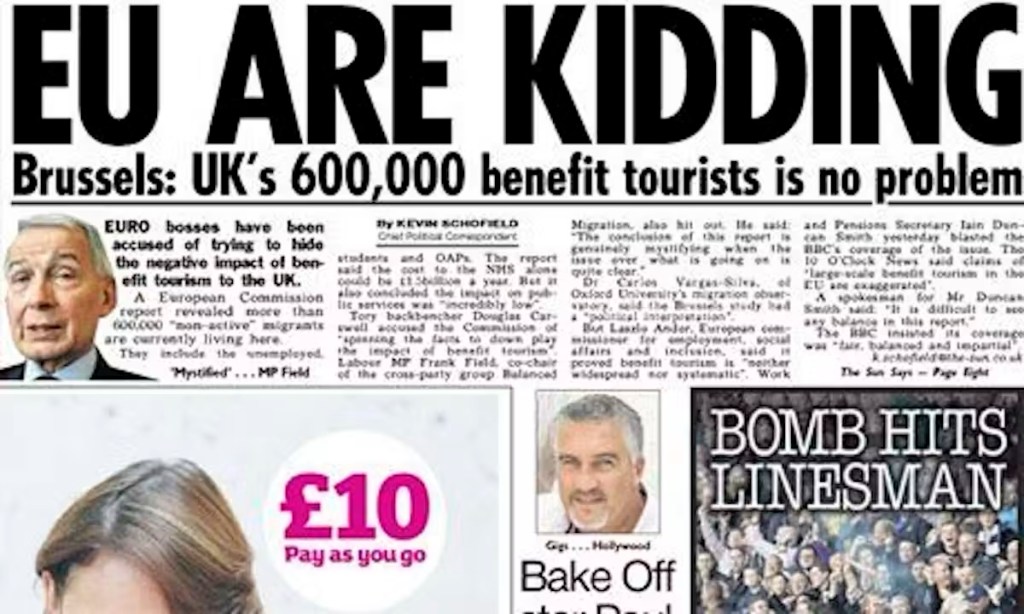
But was there really an exodus? Or just the usual attrition – a few dreamers heading home, chastened, while the more resilient quietly carried on?
The truth, as ever, was less dramatic. The global financial crisis had rattled everyone, and many small-scale British ventures in rural France were vulnerable. But for most long-term residents – myself included – it wasn’t the end of anything. We tightened belts, mended roofs, took on extra work, or simply adjusted our expectations. The ones who left had often come chasing a fantasy. Those who stayed had usually come looking for something more substantial: sanity.
I remember a call from Bill Coles, an Old Etonian tabloid hack writing for the Daily Express, who was doing a piece on this supposed “mass migration back to the UK”. I tried to inject a little balance: yes, some expats were struggling – but a stampede home? Hardly. Unsurprisingly, none of that nuance made it into print. The Express had already written its conclusion before the phone rang. The story needed villains and victims, not perspective.
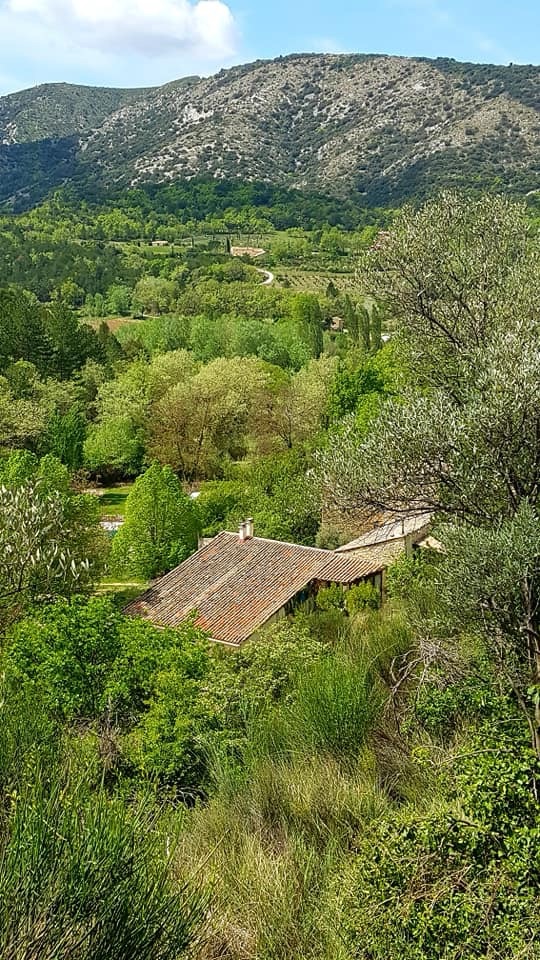
In truth, most of us hadn’t come for the cheaper wine or larger gardens. We’d left Britain because something fundamental had begun to feel unliveable: the pace, the noise, the corrosive work culture, the unrelenting worship of growth. France, for all its bureaucracy and provincial quirks, still offered a sense that life outside work mattered. There was a slower rhythm, a stronger attachment to family and community, and an enduring respect for the art of simply being – qualities that Britain, by the early 2000s, seemed to have sold off along with its railways.
That said, even France was shifting. By 2008, the cracks were visible: rising costs, eroding public services, and rural depopulation beginning to hollow out the villages. Still, compared with the UK’s tabloid-fuelled hysteria and market-driven politics, it felt civilised – human, even.
When I later began dividing my time between France and Thailand, the contrasts sharpened further. Thailand, for all its contradictions, possessed something I’d long stopped seeing in Western societies: composure. A certain patience with life’s imperfections. A detachment from the frantic, performative misery that had infected much of the West. Thailand wasn’t paradise – far from it – but it offered perspective. It reminded me that comfort and contentment aren’t the same thing, and that dignity can exist without affluence.

So was there an exodus back around 2008? Perhaps – of those who’d come seeking an idyll, or who’d mistaken the dream for the work required to sustain it. But for many of us, the balance sheet still came out in favour of staying. The gains – time, peace, perspective – outweighed the losses.
We hadn’t emigrated for the weather, the rosé, or the romance of rural life. We’d come to breathe more slowly, to feel a little more human. And however turbulent the world became – from sub-prime crashes to Brexit psychodramas – that still seemed a bargain worth keeping.
As for returning to Britain in 2025 – where neo-fascists lead the polls and history is being rewritten in real time – you’d have to manacle me to the rear end of the Eurostar and drag me through the Channel Tunnel backwards. And even then, I’d be kicking, screaming, and plotting my escape the moment we surfaced in Kent.
 No Sacred Cows